
Driving operational excellence via enterprise IT solutions
In volatile markets, static models fail. Organizations must embrace digital transformation, integrating ERP systems to synchronize business units and accelerate data-driven decision-making.
Structuring operations for sustainable business growth

Strategic goal alignment
OKRs unite teams, ensuring cross-functional alignment toward common milestones while maximizing corporate resource allocation.

Financial performance oversight
Monitoring EBITDA, cash flows, and budget variances safeguards liquidity, enabling predictive modeling for strategic capital expenditure.
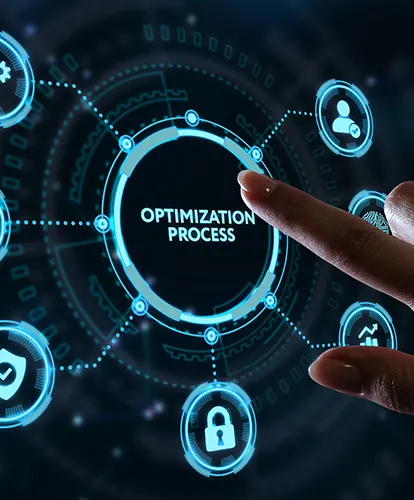
Process optimization cycles
Eliminating workflow bottlenecks via automation enhances throughput, delivering client value faster without compromising ISO quality standards.

Empowering workforce potential and leadership

Talent development programs
Investing in LMS upskilling modules prepares staff for digital proficiency and internal mobility.

Performance metric tracking
Objective KPI dashboards clarify expectations, rewarding tangible contributions and fostering meritocracy effectively.
Navigating the complex landscape of regulatory compliance
Industrial strategy and operational efficiency
Industry 4.0 demands precision. Synchronizing supply chains with MRP schedules minimizes waste, ensuring IoT assets generate value through predictive maintenance.
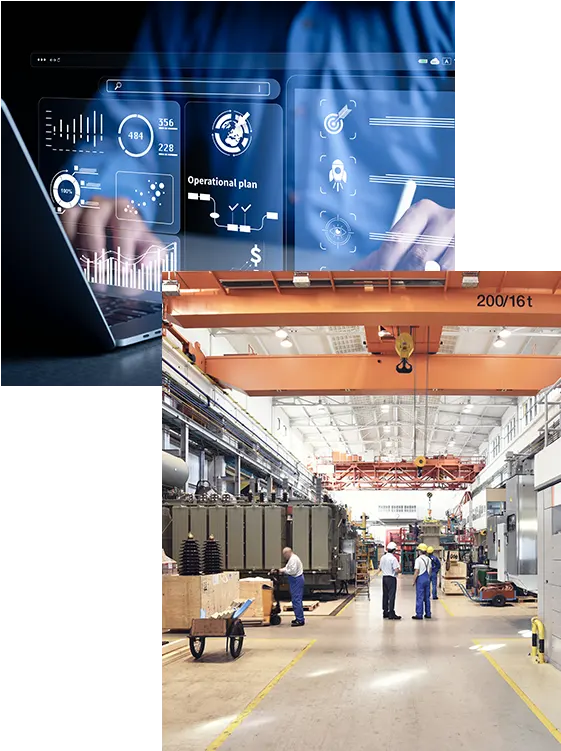
Custom ERP integration
Centralizing data streams eliminates silos, providing a unified source of truth for enterprise resources.
Cloud scalability options
SaaS infrastructure allows elastic scaling during peak loads without on-premise hardware constraints.
API connectivity solutions
Restful APIs enable software interoperability, automating complex cross-platform workflows and data exchange.
Data analytics and BI platforms
Interpreting big data reveals trends, empowering decision-makers to make evidence-based strategic pivots.
Embracing the era of digital transformation
Transitioning to digital ecosystems shifts the business model. Adopting disruptive technologies reshapes CX and internal collaboration, driving competitive advantage.
Fortifying assets against cyber threats
Incident response planning
A disaster recovery plan minimizes breach impact, ensuring rapid restoration and business continuity.
Innovative software architecture for modern enterprises
Integrating scalable solutions for long-term success and stability
Selecting the right technology stack determines agility. Microservices architectures allow plugging in modules, avoiding legacy obsolescence. Prioritizing interoperability and UX ensures tools support human workflows. This creates a sustainable IT ecosystem. CI/CD pipelines keep infrastructure resilient against technological disruption.